
Leave No Trace
The Leave No Trace Principles
Seven principles to minimize your impact — and protect Switzerland’s nature
Switzerland’s natural and mountain landscapes are beautiful — and fragile. By following the seven Leave No Trace principles, you help ensure these places stay the way we love them for generations to come.
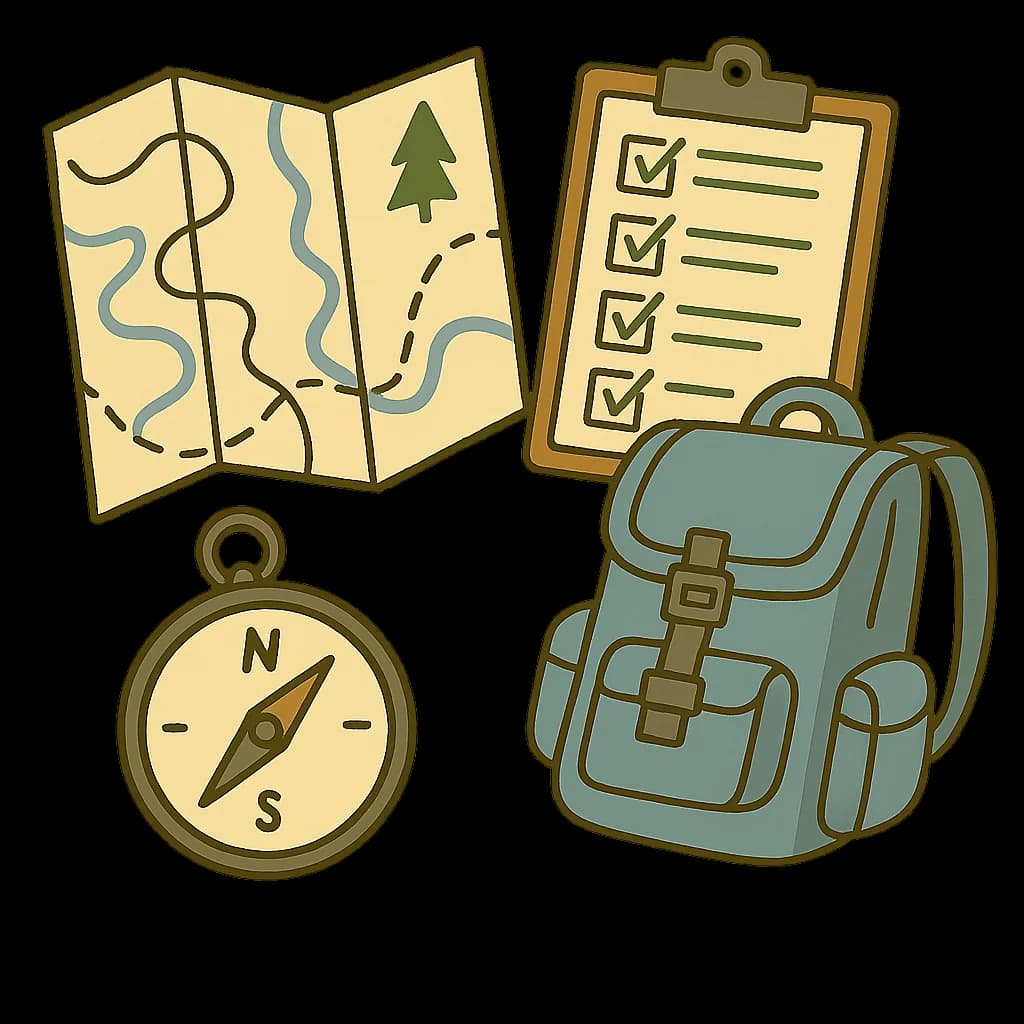
1. Plan Ahead and Prepare
- •Check rules and restrictions at your destination in advance (camping, fires, protected areas)
- •Be ready for sudden weather changes, alpine hazards, and emergencies
- •If possible, plan your trip for quieter times with less crowding
- •Use a map, compass, or GPS — ideally with an offline map as a backup — and avoid marking routes with spray paint, rock cairns, or tape
- •Reduce waste: repackage food sensibly and only bring what you truly need
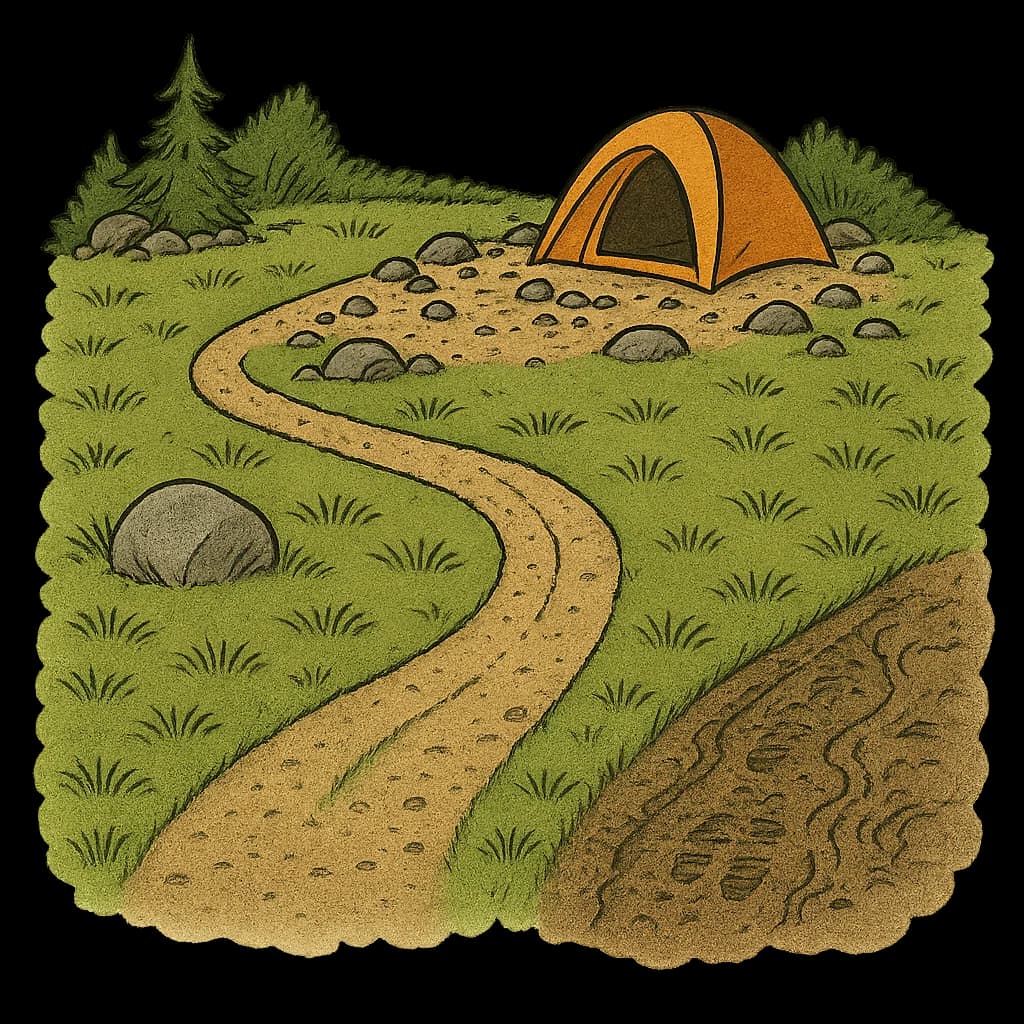
2. Travel and Camp on Durable Surfaces
- •Stick to established trails and campsites — or use durable ground like rock, gravel, dry grass, or snow
- •Protect shorelines: camp at least 70 meters from lakes and rivers to keep banks stable, water clean, and wildlife undisturbed
- •Good campsites are found, not made — avoid altering the site
- •In heavily visited areas, consistently use existing trails and campsites
- •Even when wet or muddy, walk single file in the middle of the trail instead of widening it
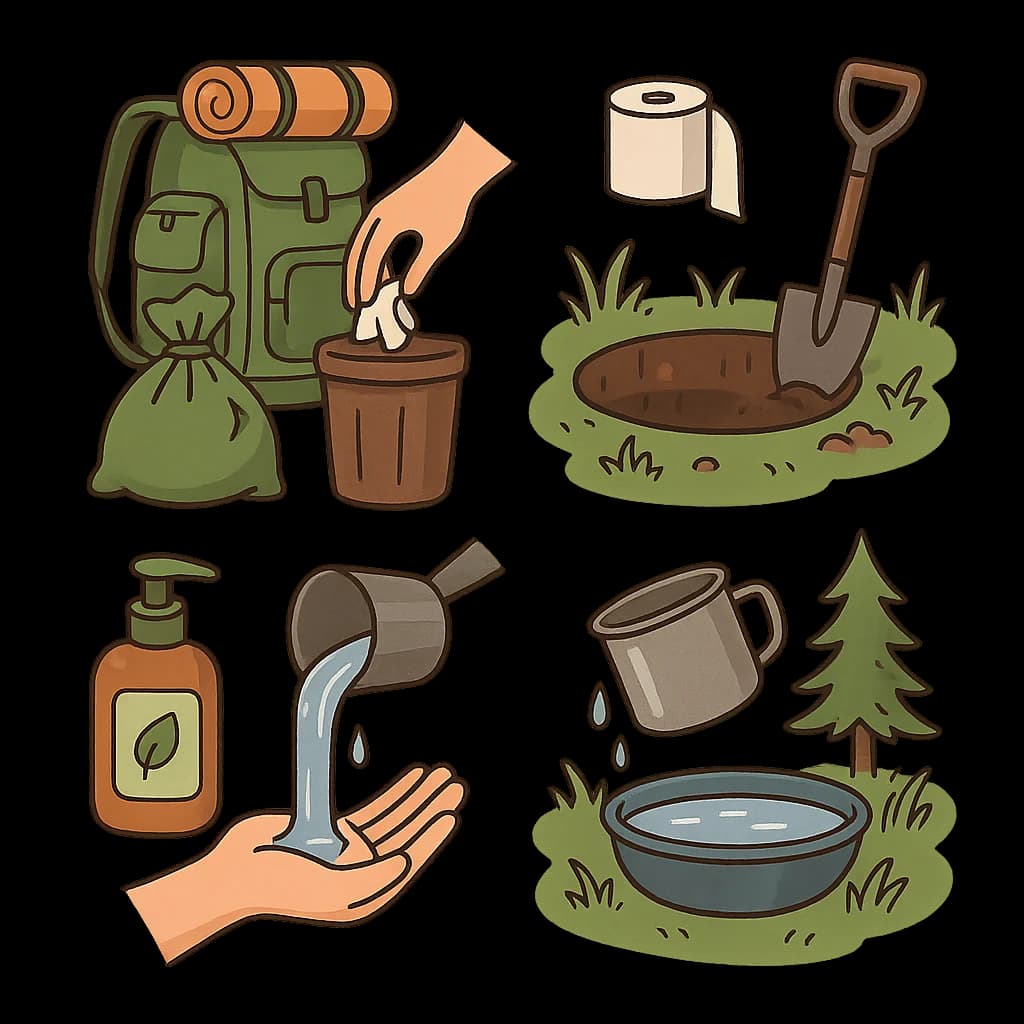
3. Dispose of Waste Properly
- •Pack out everything: trash, food scraps, and even tiny bits
- •Bury human waste 15–20 cm deep at least 70 meters from water (bring a small trowel)
- •Pack out toilet paper and hygiene products
- •For washing yourself or dishes, use water at least 70 meters away from streams and lakes
- •If you use soap, use it sparingly, biodegradable — and always at least 70 meters from water
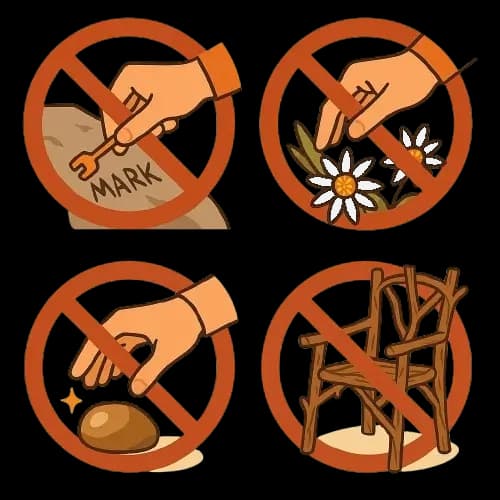
4. Leave What You Find
- •Preserve the past: look at cultural traces, but don’t take anything and avoid touching if possible
- •Leave rocks, plants, and other natural objects as you find them
- •Avoid transporting non-native species (e.g., seeds on shoes or gear)
- •Don’t build structures, furniture, or trenches — not even “just for a moment”
- •Many alpine plants are protected — never pick them
5. Minimize Campfire Impacts
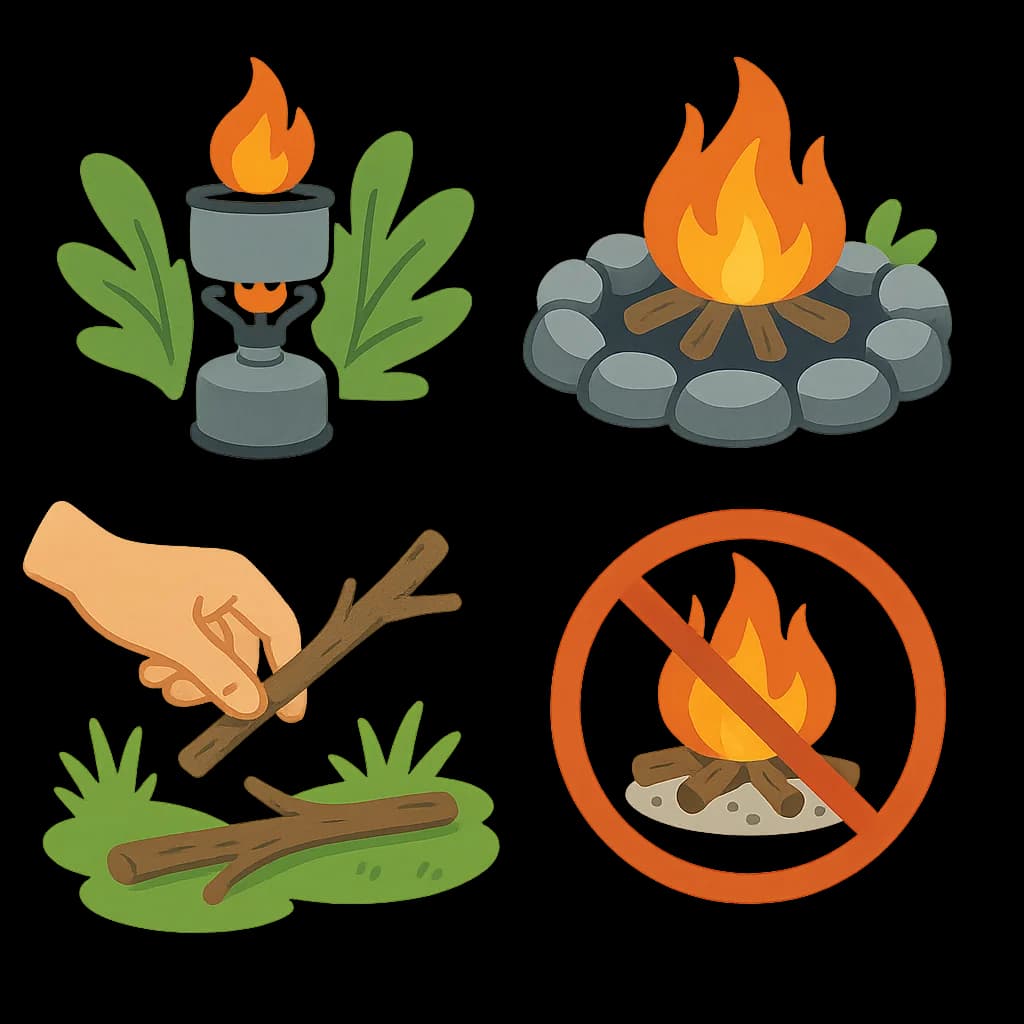
- •Fires leave traces and can cause damage — for cooking, a lightweight stove is the best choice
- •Where fires are allowed, use established fire pits or a fire bowl/pan
- •Keep fires small and only use dry, downed wood you can break by hand
- •Burn wood down completely to ash and extinguish the fire fully — until embers are truly cold
- •Watch for local fire bans: during dry periods, open fires in Switzerland are often prohibited (wildfire risk)

6. Respect Wildlife
- •Observe animals from a distance — don’t chase or approach them
- •Don’t feed wildlife: it harms them and changes natural behavior
- •Store food and waste securely so animals can’t access it
- •If you bring your dog, keep it under control — leash rules apply in many areas
- •Avoid sensitive times and places: mating season, nesting and rearing young, and winter
7. Be Considerate of Other Visitors
- •Respect others and their experience of nature — not everyone is looking for the same kind of adventure
- •Be friendly and yield on narrow trails when it makes sense
- •When encountering horses or other pack animals, pause and step to the downhill side of the trail
- •Take breaks so others can pass: step off the trail onto durable ground (e.g., rock or gravel)
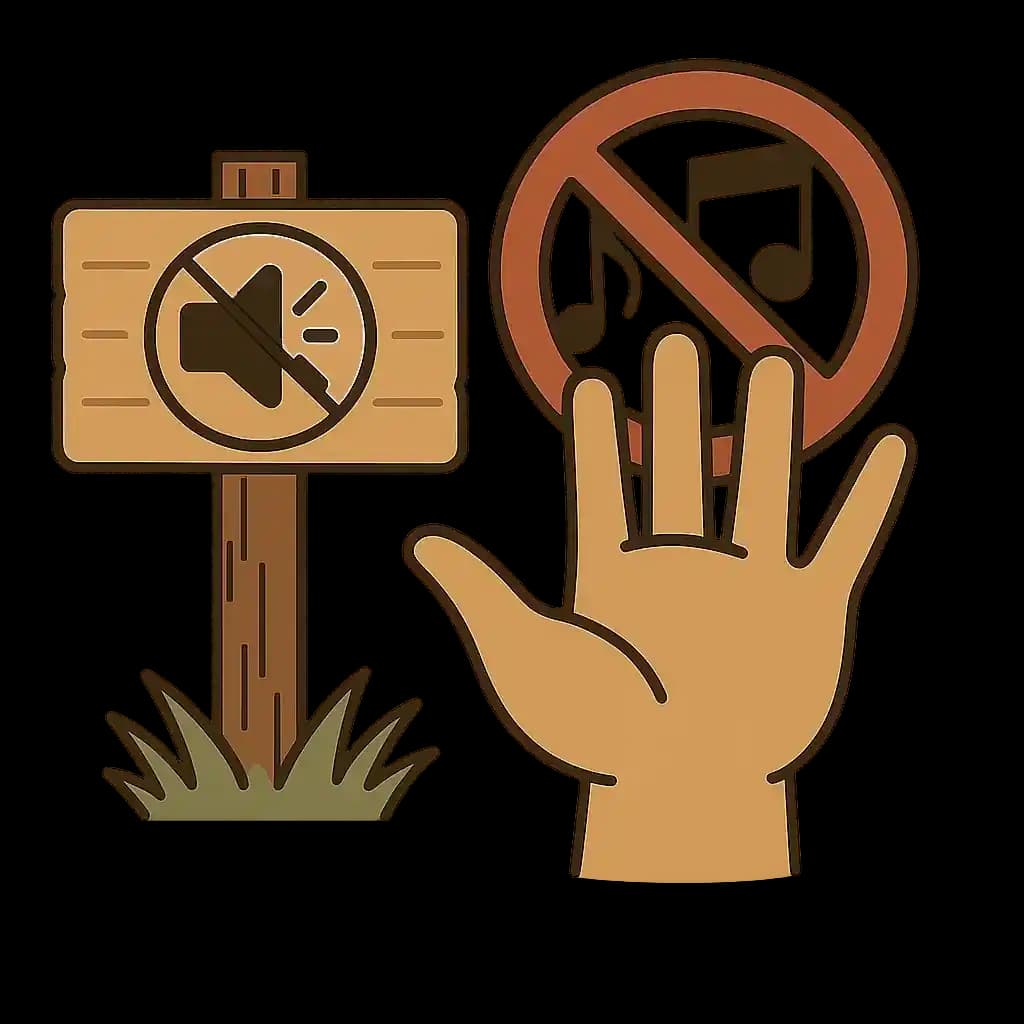
- •Keep noise low — let nature’s sounds prevail
Additional Resources
Learn more about Leave No Trace principles and how to apply them in Switzerland's unique alpine environment: