
Protected Areas in Switzerland
Understand the special regulations in Switzerland’s most valuable natural landscapes.
Switzerland has various types of protected areas where camping regulations are usually stricter than in other regions. These areas help preserve biodiversity, protect sensitive ecosystems, and safeguard the natural beauty of Switzerland’s landscapes.
Below you’ll find information about the most important types of protected areas in Switzerland, along with general guidance for camping in or near these areas. Always check the specific regulations and on-site signage before your trip.

Swiss National Park
Swiss National Park, founded in 1914 through a private initiative, preserves untouched landscapes and a rich diversity of wildlife and plant life. Clear boundaries and strict protection rules safeguard a unique ecosystem and allow visitors to experience nature on marked trails.
Camping is strictly prohibited throughout Swiss National Park.
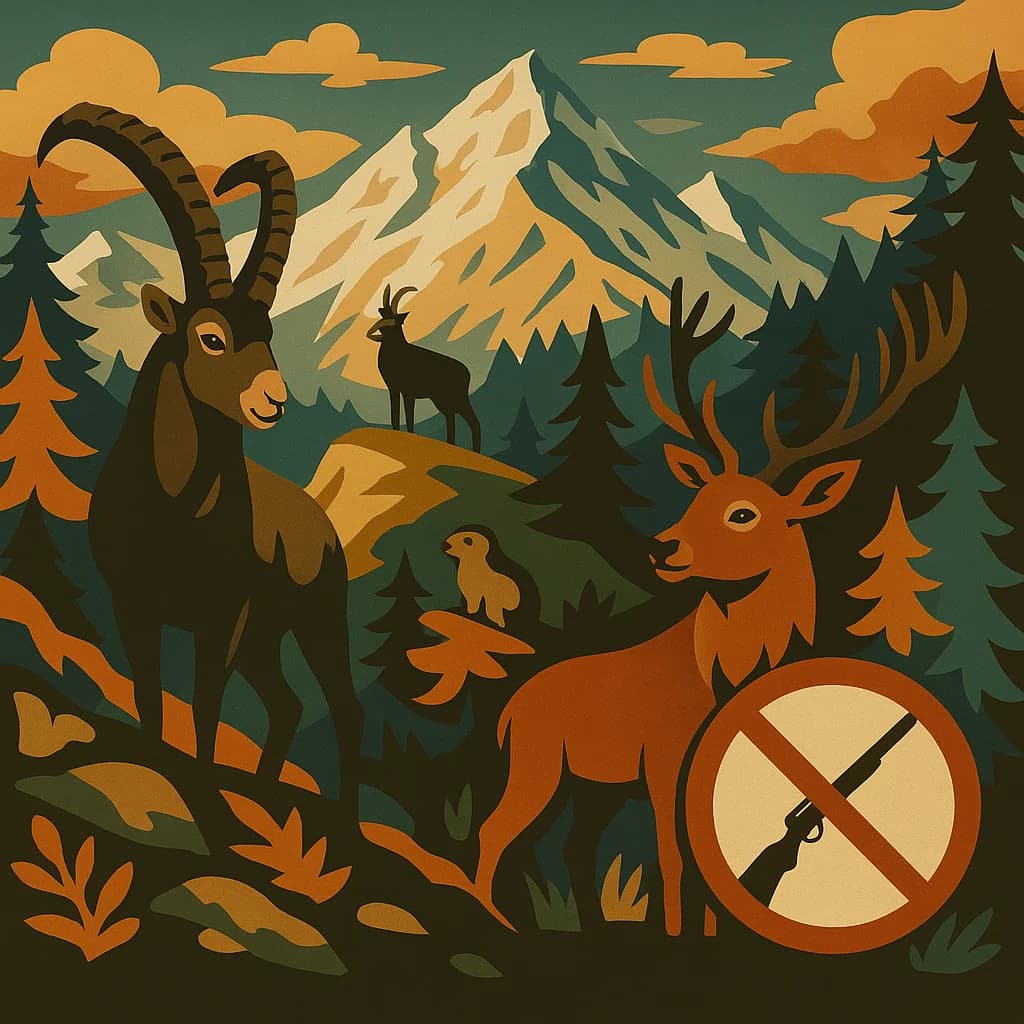
Federal Hunting Ban Areas
Federal hunting ban areas have existed since 1875. They protect and support wildlife and their habitats. Depending on the area, different restrictions may apply (e.g., staying on marked paths, quiet periods, or access bans in sensitive zones).
Wild camping is often not permitted in these areas — please check local regulations.
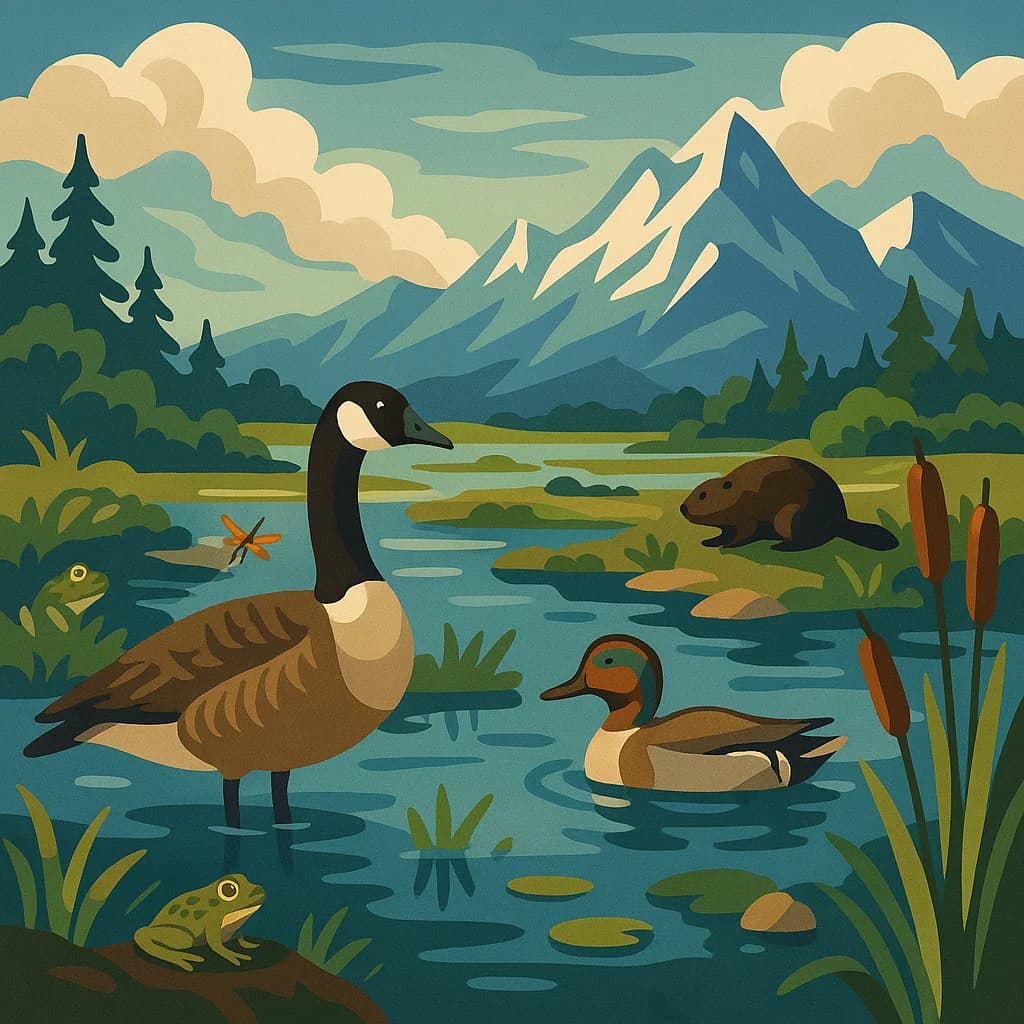
Pro Natura: Nature Reserves
Pro Natura secures and manages over 770 nature reserves, preserving a wide variety of habitats for flora and fauna. These protected zones enable close-to-nature experiences, often with clear rules to protect animals, plants, and habitats.
Wild camping is not allowed in many nature reserves — please follow the rules of the specific area.
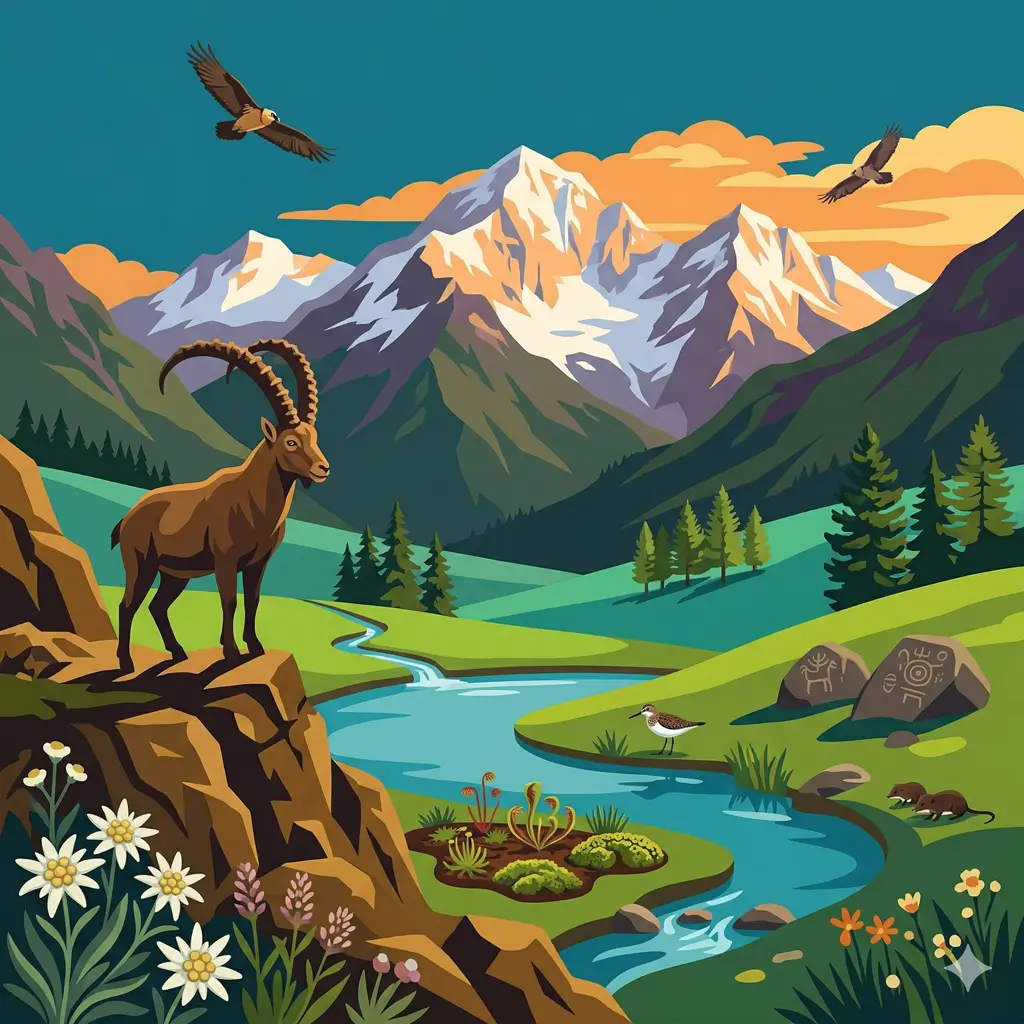
Cantonal Protected Areas
Cantonal protected areas are defined by the cantons and often include detailed protection decrees, protection plans, and canton-specific categories. We are integrating these official cantonal datasets step by step into the map.
Cantonal protected areas often come with stricter local rules or special sub-zones. Wild camping is generally not allowed there.
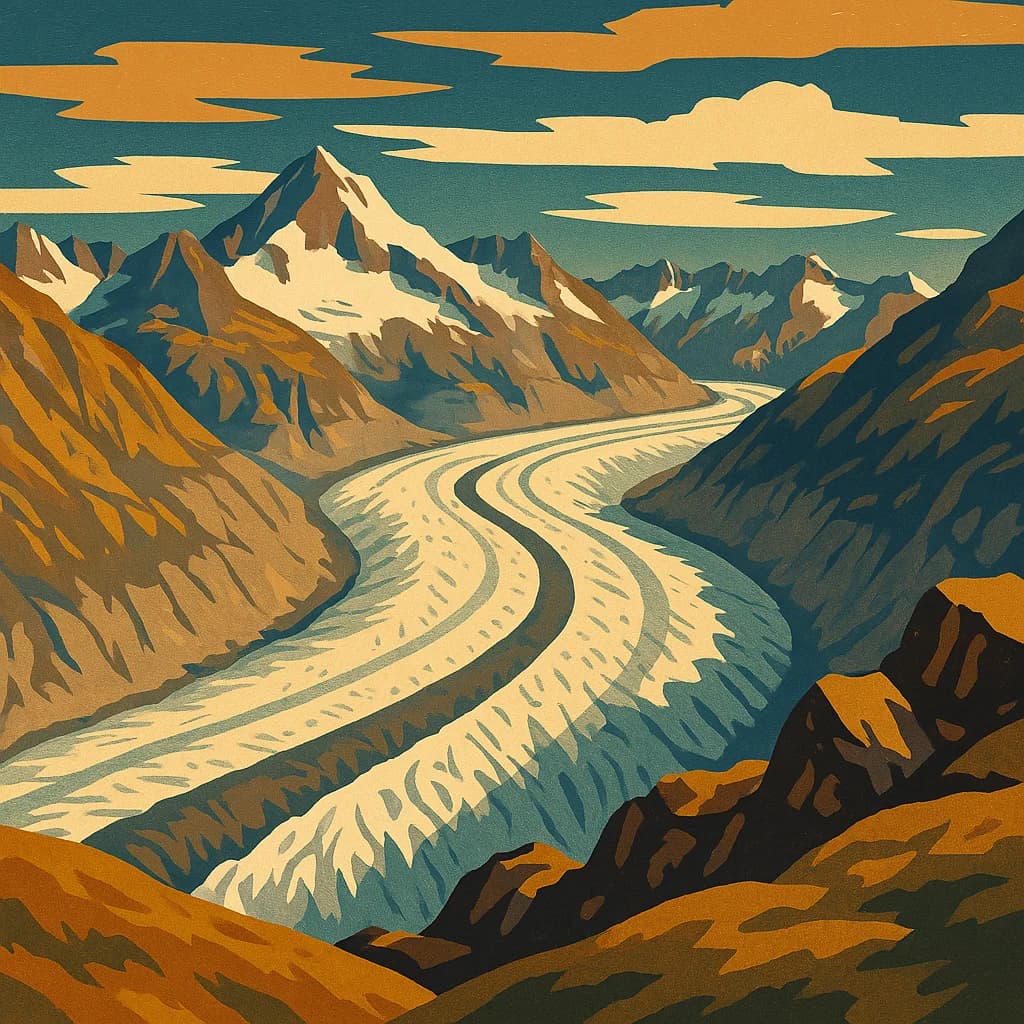
UNESCO World Heritage Sites
UNESCO World Heritage sites include natural and cultural places of outstanding universal value. Protection and use are regulated by the Confederation, cantons, and municipalities — rules (including camping rules) vary by location.
Camping regulations vary depending on the location.
Wildlife Rest Areas
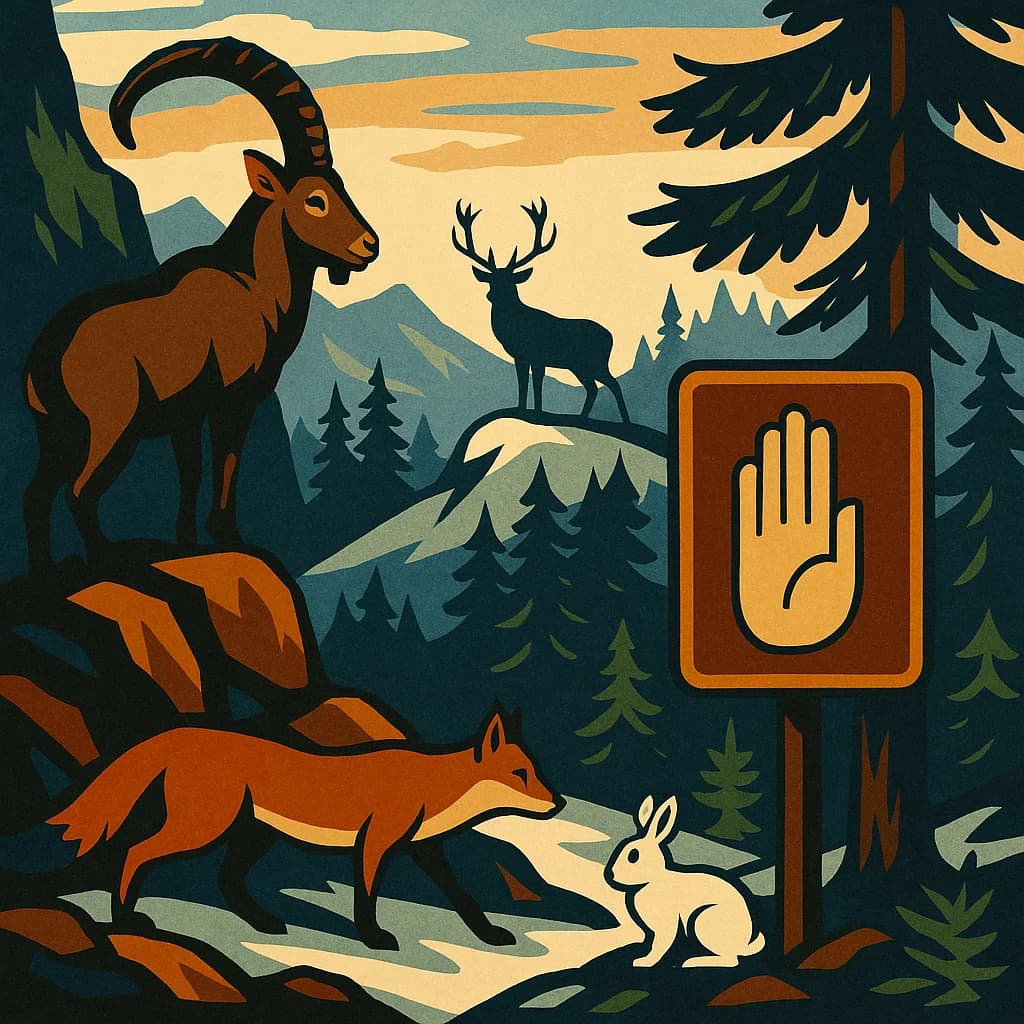
Wildlife rest areas protect animals during sensitive periods (e.g., breeding or winter) by restricting recreational activities in time or space. They are especially important for disturbance-sensitive species and their refuges.
Overnighting outdoors (bivouacking) is often prohibited in these zones — please follow signage and local rules.
Mire Landscapes
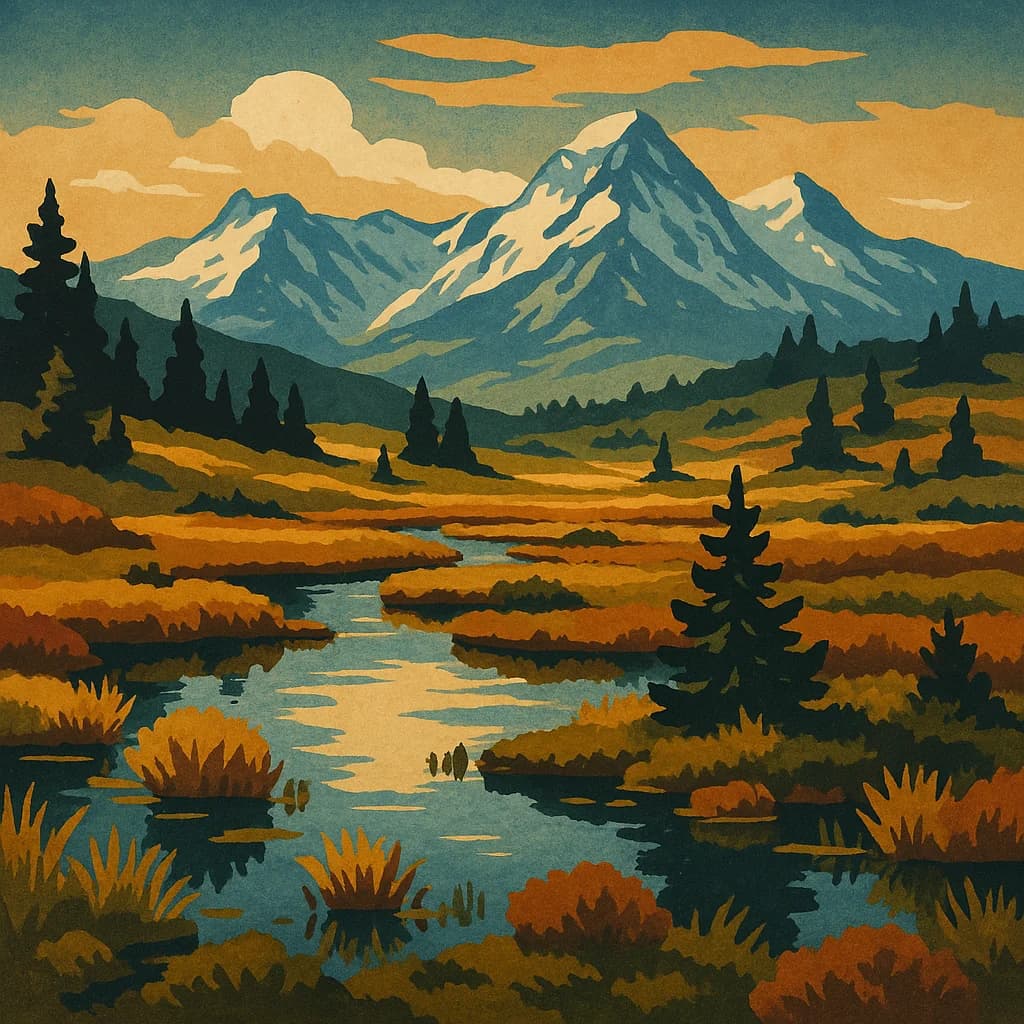
Mire landscapes are unique habitats of high ecological importance. They provide living space for rare plant and animal species, store water, and help preserve distinctive landscape scenery.
Mire landscapes are generally subject to strict protection rules; wild camping is usually not allowed. Please check local regulations.
Fens
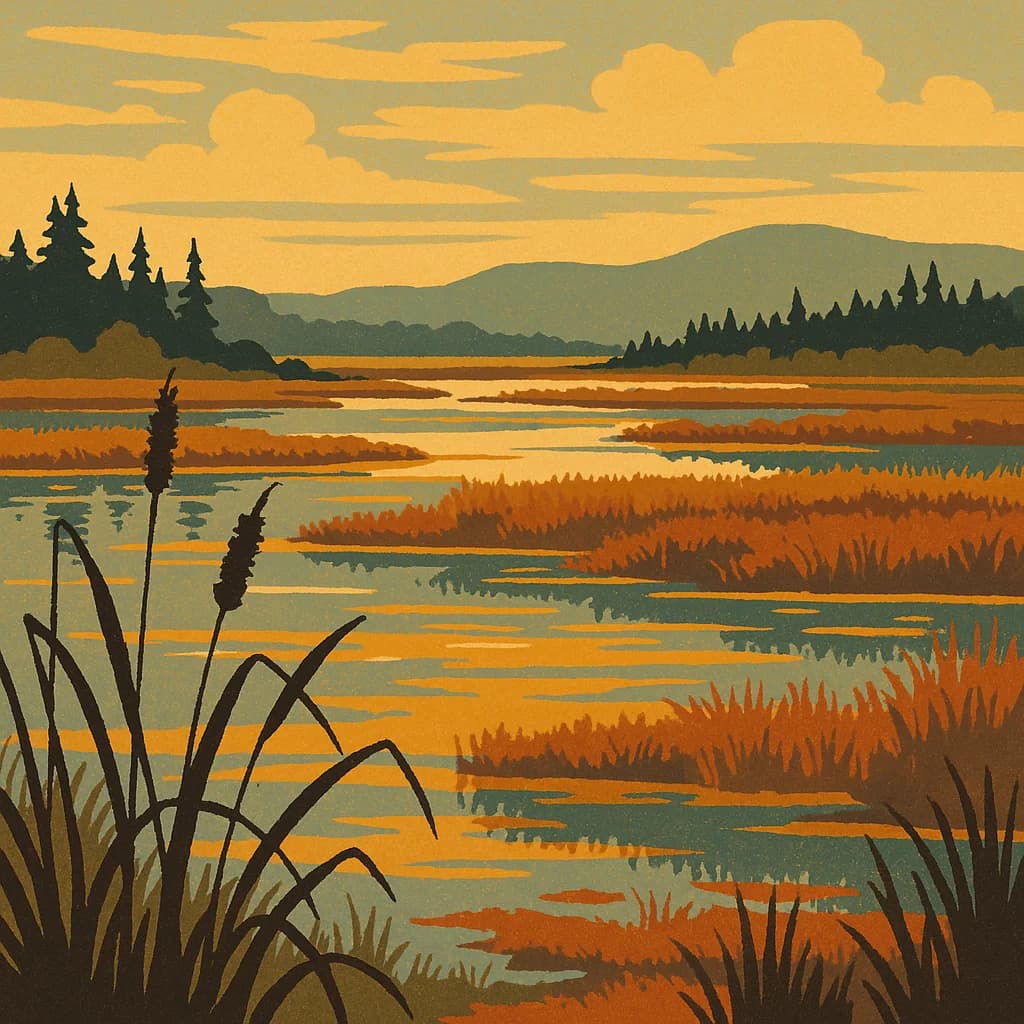
Fens are nutrient-poor wetlands with specialized, often endangered species. Protecting them preserves rare habitats and important ecological functions.
Fens are generally subject to strict protection rules; wild camping is usually not allowed. Please check local regulations.
Raised Bogs
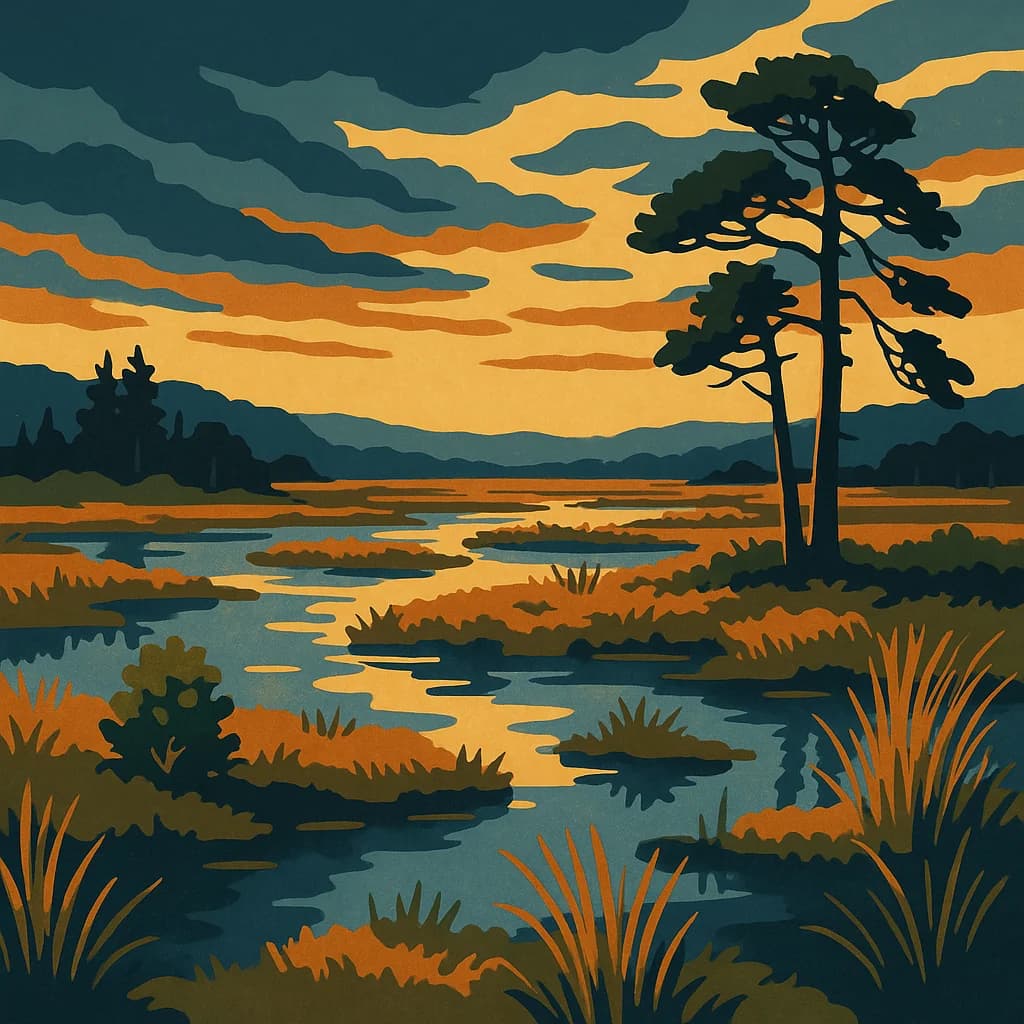
Raised bogs are among Switzerland’s most sensitive ecosystems and are severely threatened. They provide specialized habitats for rare species and fulfill important ecological functions.
Raised bogs are generally subject to strict protection rules; wild camping is usually not allowed. Please check local regulations.
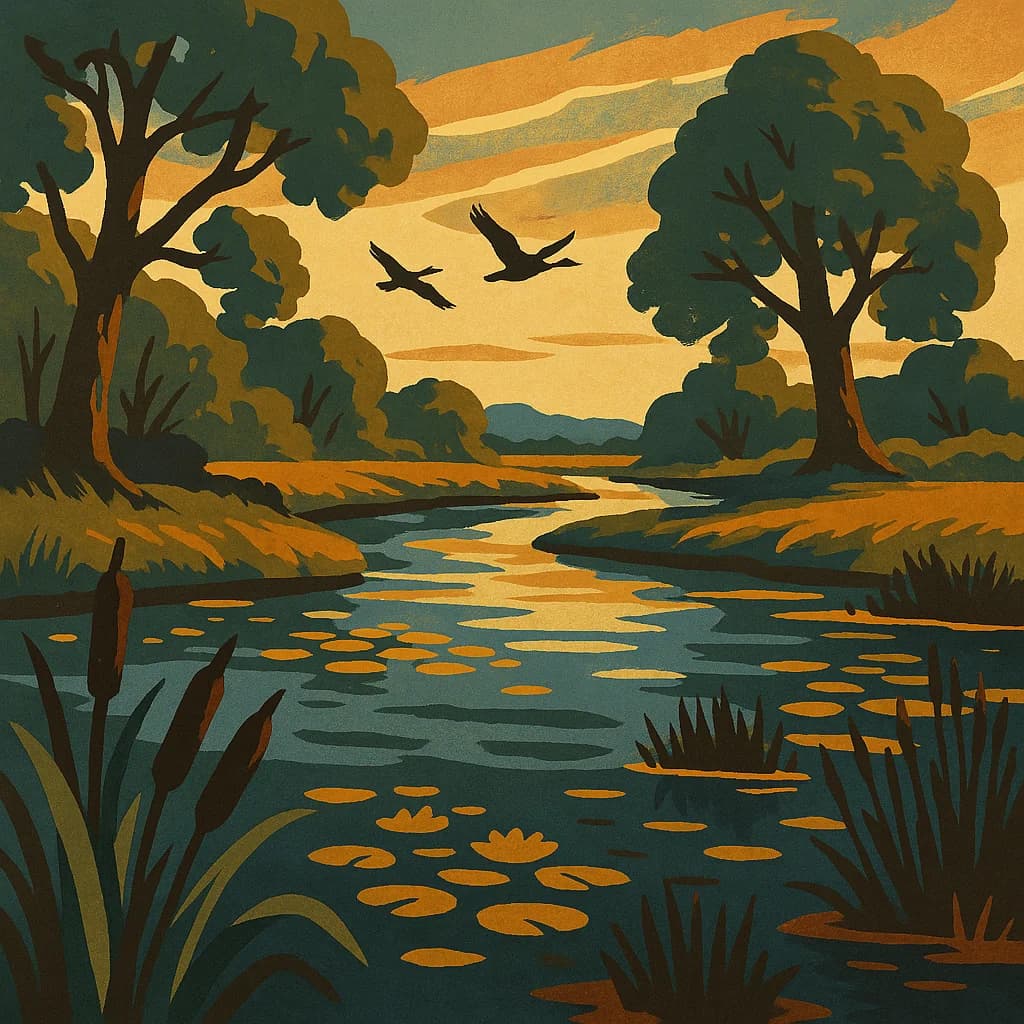
Floodplains
Floodplains are dynamic river landscapes and natural overflow zones. They are among the most species-rich habitats, provide refuges for many plants and animals, and support important ecological processes.
Floodplains are generally subject to strict protection rules; wild camping is usually not allowed. Please check local regulations.
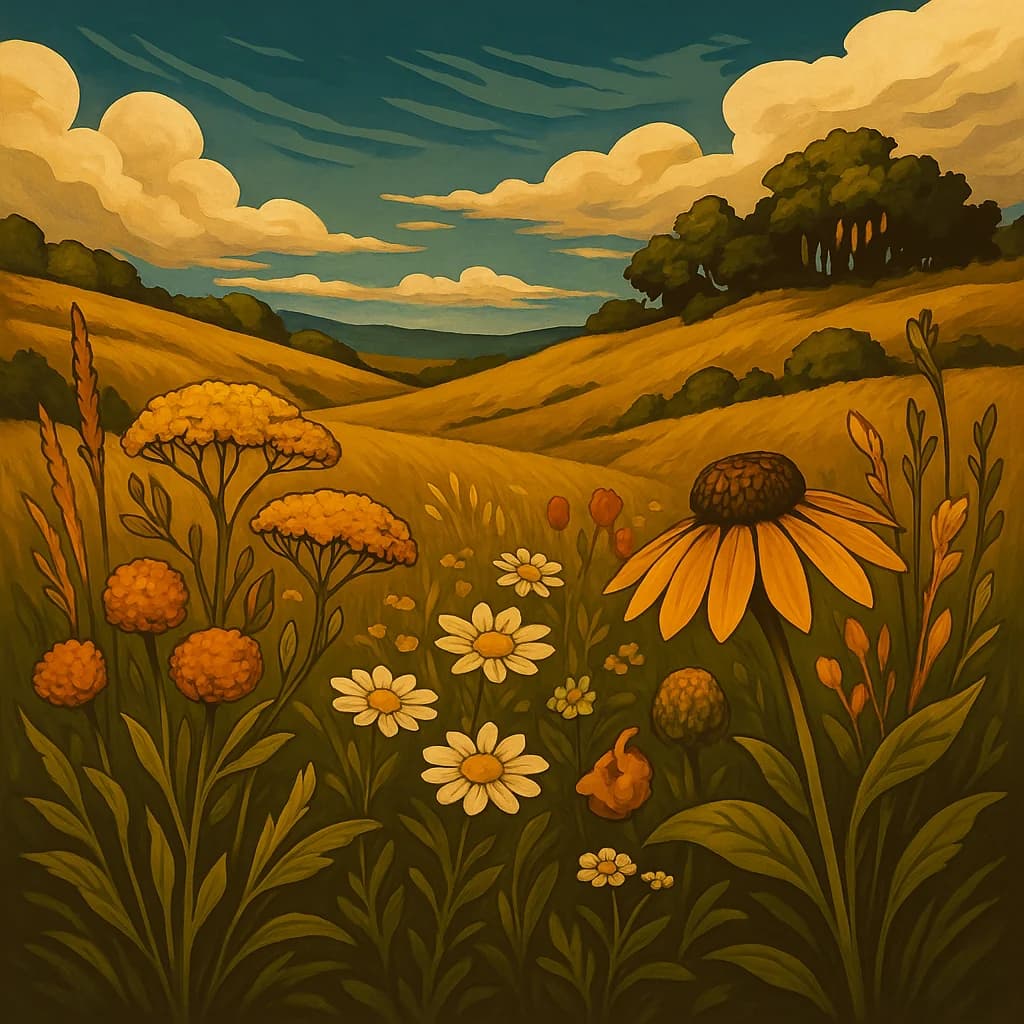
Dry Meadows and Pastures
Dry meadows and pastures developed through traditional, extensive agriculture and are now rare in many places. They host many specialized and endangered species. The federal inventory is updated regularly, and the delineation of sites is carried out by the cantons.
Wild camping is generally not permitted in dry meadows and pastures — please check local regulations.
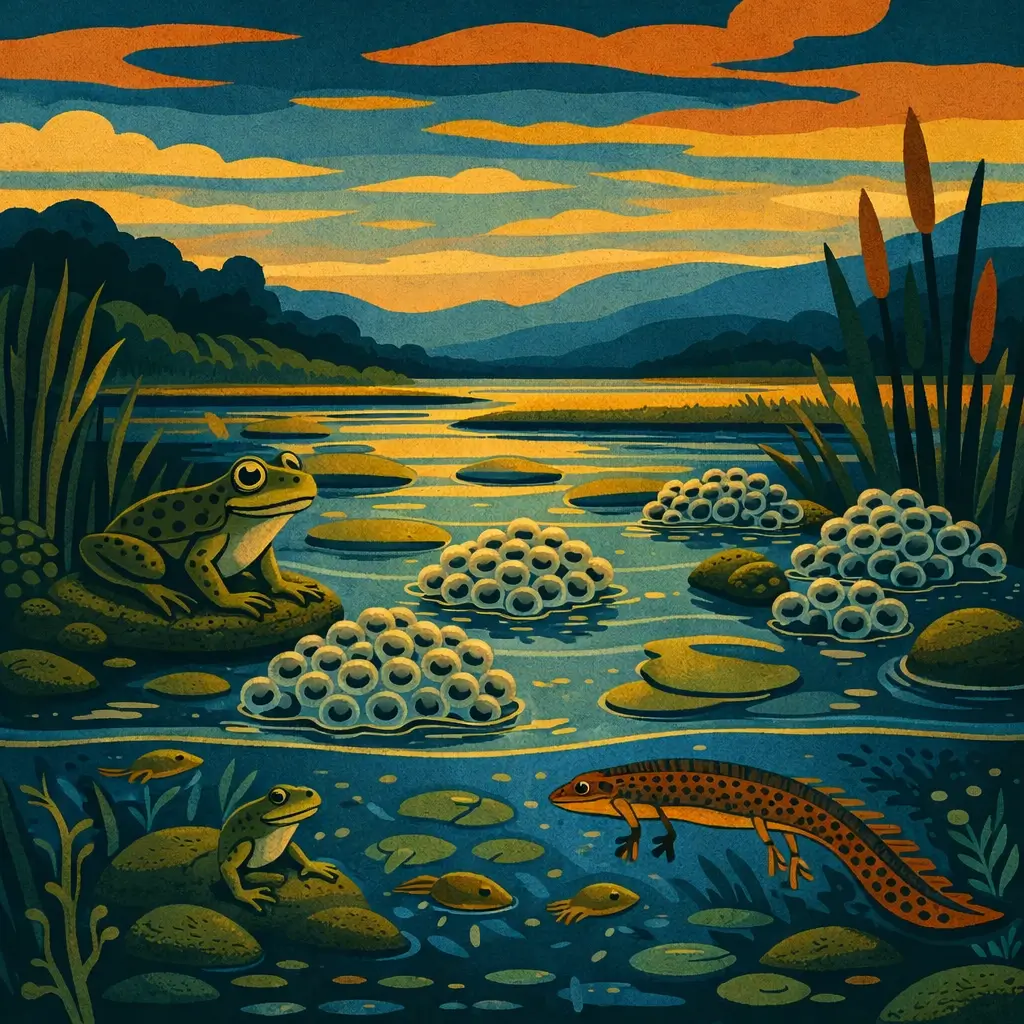
Amphibian Spawning Areas
Switzerland is home to 19 amphibian species — nearly all of which are on the Red List of endangered species. Over the past 100 years, wetland habitats have shrunk to less than a tenth of their original extent. The federal inventory protects the remaining spawning areas, including ponds, gravel pits, and larger wetland complexes.
Wild camping is not permitted in amphibian spawning areas — these habitats are legally protected.
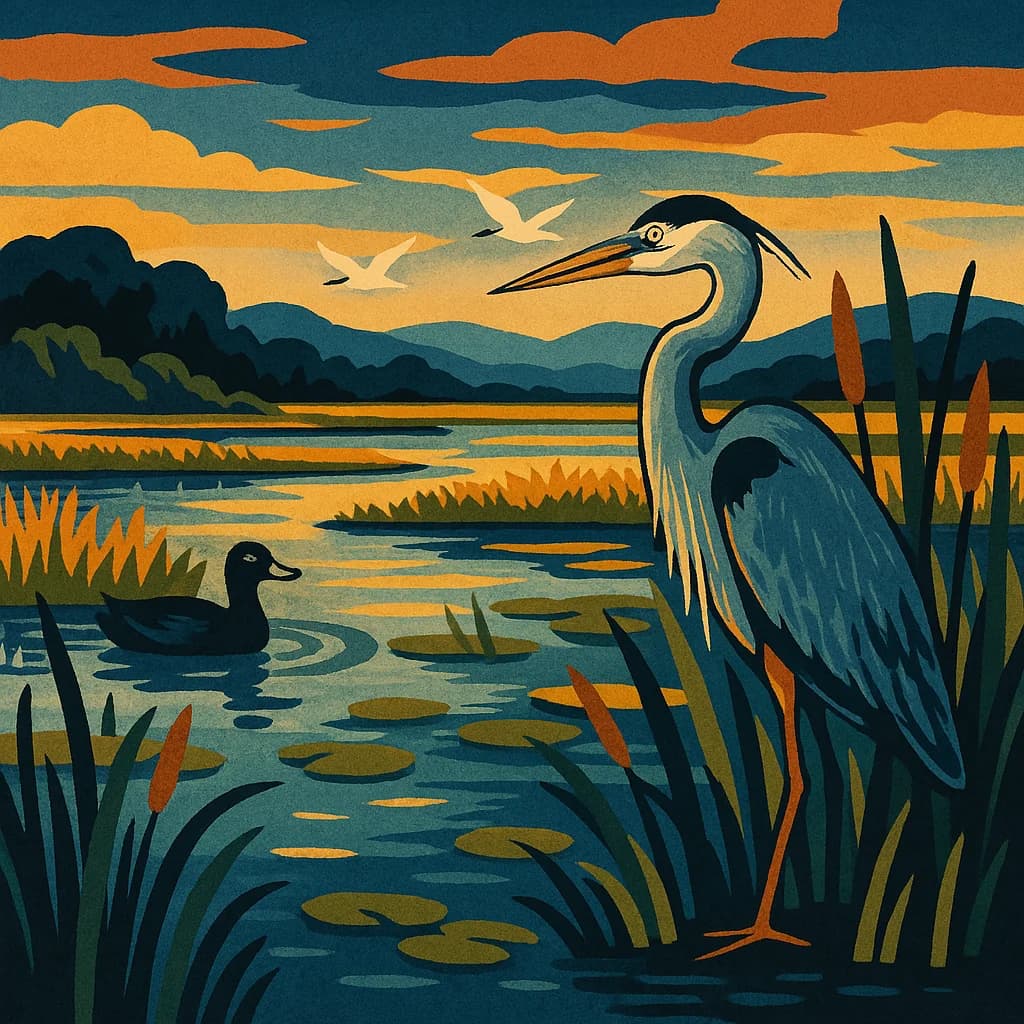
Ramsar Sites
Ramsar sites are internationally recognized wetlands of special importance, especially as habitats for waterbirds and waders. Since ratifying the convention in 1976, Switzerland has committed to conserving these sensitive ecosystems sustainably.
Wetlands often have strict restrictions in and around them. Please follow local regulations.
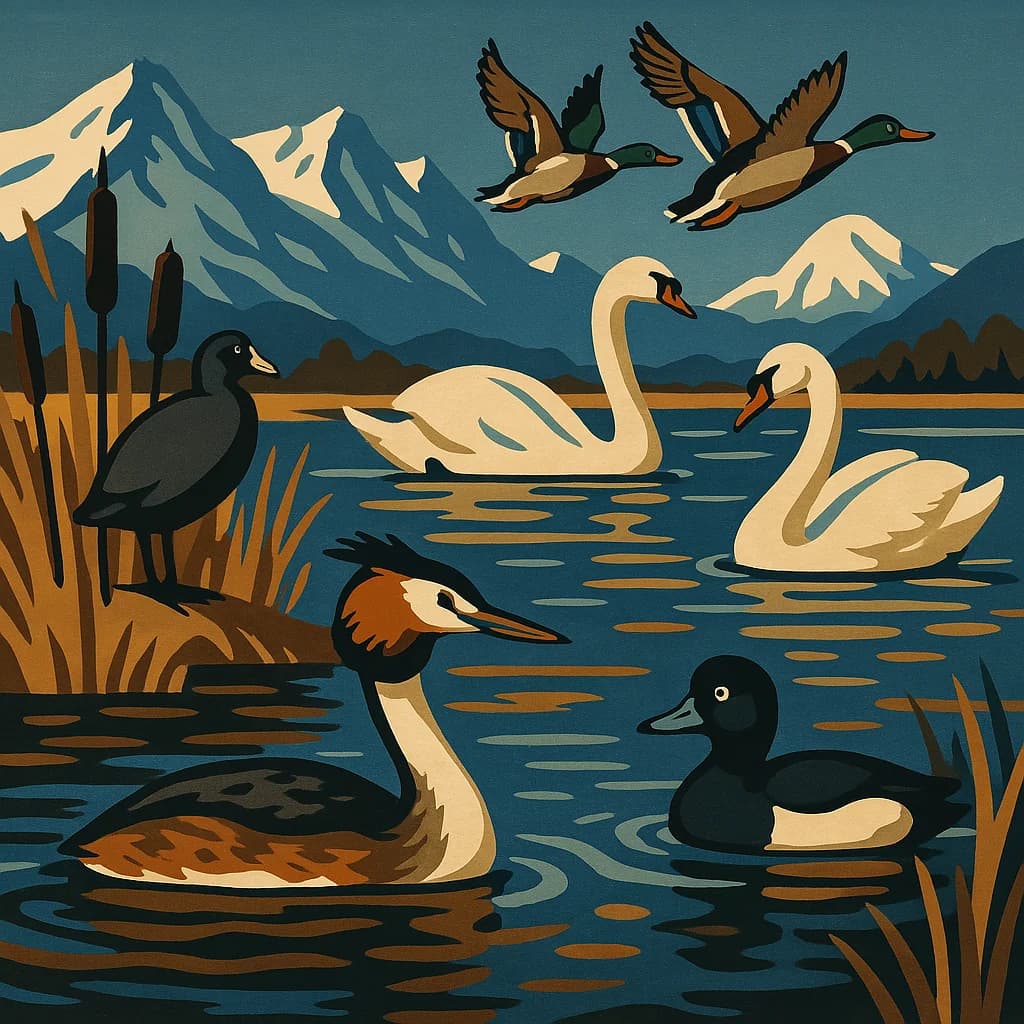
Waterbird and Migratory Bird Reserves
Waterbird and migratory bird reserves provide protected resting, breeding, and wintering areas for birds and conserve important habitats. They support the survival of rare species and reduce disturbance in sensitive areas.
Camping is generally prohibited in these reserves.
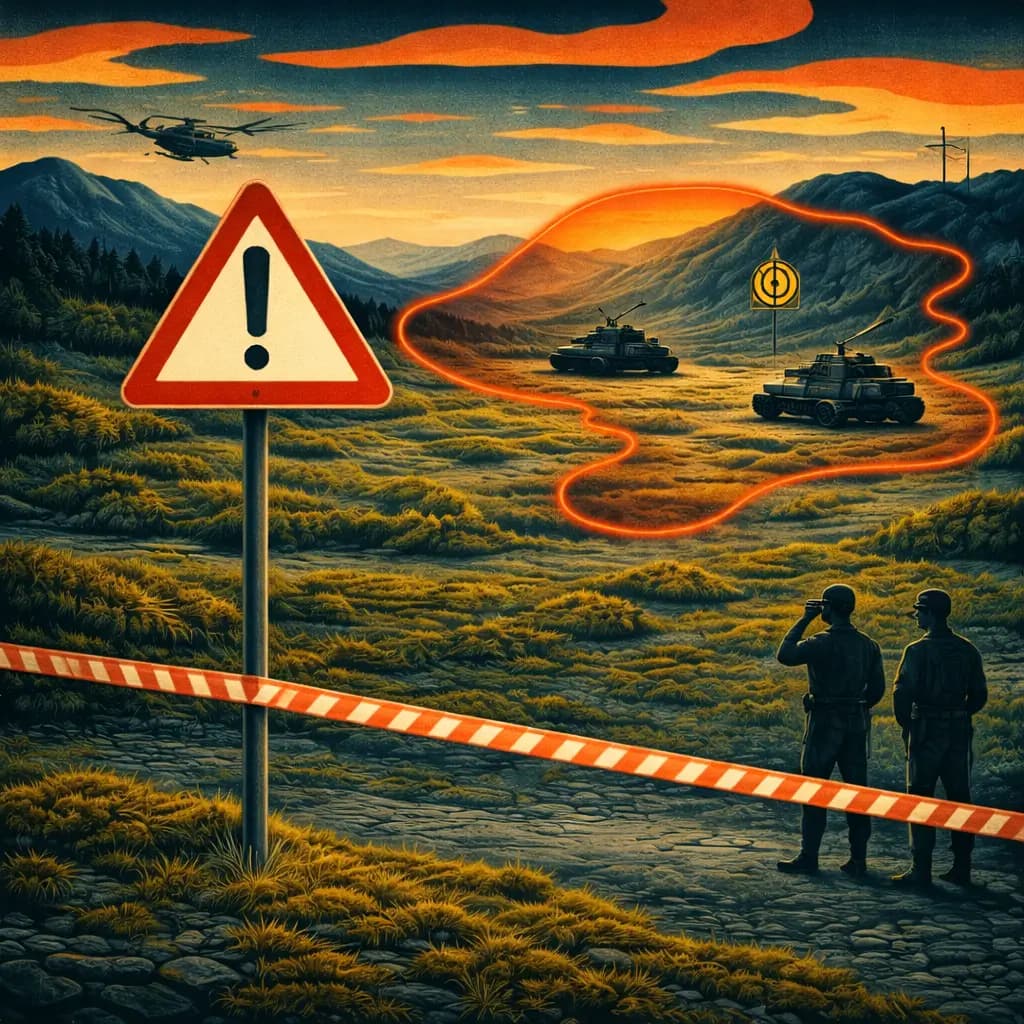
Shooting Announcements / Danger Zones
The Swiss Army operates over 100 shooting and training ranges across Switzerland. During active shooting days, danger zones are closed and life-threatening. Published shooting announcements provide information on scheduled occupation times and closures.
Entering danger zones during shooting days is life-threatening and prohibited. Wild camping near active shooting ranges is not recommended.
Discover all protected areas in Switzerland on our interactive map:
Show Protected Areas MapAdditional Information
For detailed information on specific protected areas and their regulations, please consult: